
Blog
Social Media Marketing Explained: 12 Powerful Benefits for Small Business Growth in India

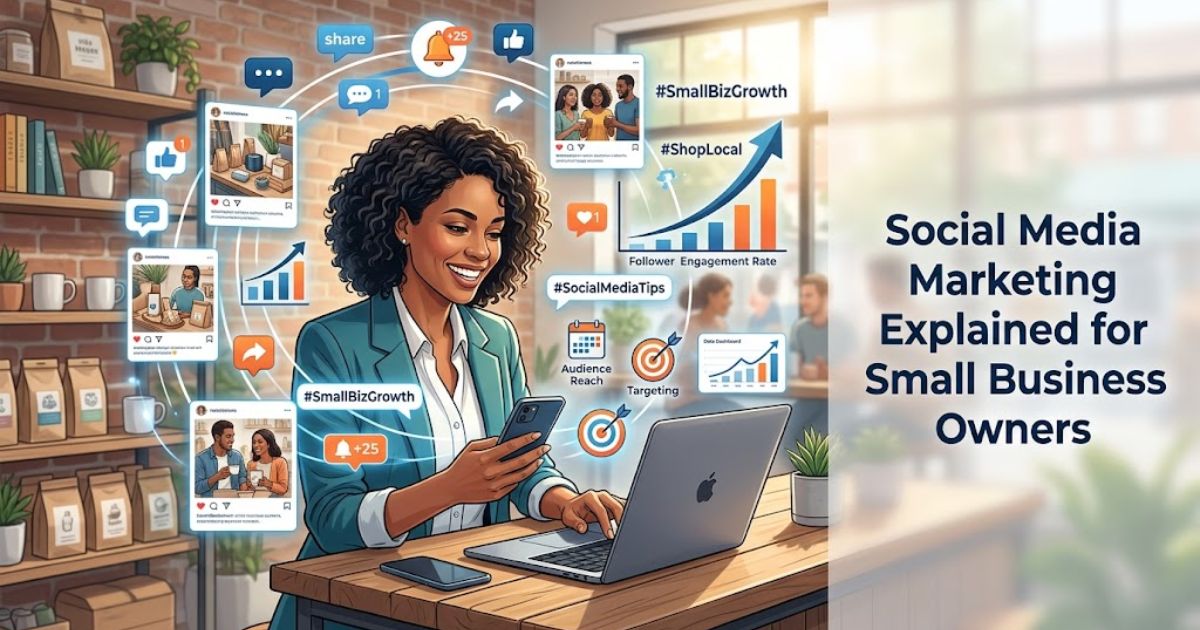
Social Media Marketing Explained: A Complete Guide for Small Business Owners
Social media marketing explained: Social media marketing (SMM) is the process of using social media platforms such as Facebook, Instagram, LinkedIn, X (Twitter), and YouTube to promote a business, engage with customers, build brand awareness, generate leads, and increase sales through organic and paid strategies.
Introduction

Social media marketing explained simply means using social media platforms to connect with your target audience, build relationships, and promote your products or services. In today’s digital world, social media has become one of the most effective marketing channels for businesses of all sizes. For small businesses in India, social media offers an affordable and highly targeted way to reach potential customers. Whether you own a local retail store, restaurant, salon, consultancy, or eCommerce business, social media marketing can help you increase visibility and drive growth.
With billions of users actively spending time on social platforms every day, businesses that leverage social media effectively can build strong customer relationships and gain a competitive advantage. In this guide, we’ll provide a detailed overview of social media marketing, how it works, why it matters, and how small business owners can use it to achieve sustainable growth.
What Is Social Media Marketing?

When discussing social media marketing explained, it’s important to understand that social media marketing is much more than simply posting photos, videos, or updates online. It is a strategic marketing approach that helps businesses communicate with their audience, build trust, increase visibility, and ultimately generate revenue. Through social media marketing, businesses create valuable content that resonates with their target audience while encouraging engagement and interaction. Brands use social platforms to share educational information, showcase products and services, answer customer questions, and build long-term relationships with potential buyers. In addition, businesses can run paid advertising campaigns to reach highly targeted audiences and drive traffic to their websites or landing pages. According to the Digital 2024 Report by Data Reportal, India has one of the largest social media user bases in the world. This presents a significant opportunity for small businesses to connect with customers where they already spend a large portion of their time online.
External References:
https://www.thinkwithgoogle.com
Why Social Media Marketing Matters for Small Businesses

Small businesses often face challenges such as limited budgets, strong competition, and difficulty reaching new customers. Traditional advertising methods like newspaper ads, television commercials, and billboards can be expensive and may not always provide measurable results. Social media marketing solves many of these challenges by offering a cost-effective platform where businesses can directly engage with their audience. Instead of spending large amounts on traditional advertising, businesses can create content that attracts attention organically or invest in highly targeted advertising campaigns that reach specific customer groups.
Another major advantage is customer engagement. Social media allows businesses to communicate directly with customers through comments, messages, reviews, and live interactions. This direct communication helps build trust and strengthens customer relationships. Additionally, social media platforms provide detailed analytics that help businesses understand what is working and what needs improvement. This makes it easier to optimize campaigns and maximize marketing returns.
Social Media Marketing Explained: How It Works

Understanding social media marketing explained requires looking at the process behind successful campaigns. While every business may have unique goals, most successful social media strategies follow a structured approach.
1. Define Business Goals
The first step is identifying what you want to achieve through social media marketing. Some businesses focus on increasing website traffic, while others prioritize lead generation, sales growth, customer support, or brand awareness. Having clear objectives helps guide content creation and campaign planning.
2. Identify Target Audience
Knowing your audience is essential for success. Businesses should understand who their ideal customers are, including their age, location, interests, purchasing behavior, and online habits. This information helps create content that resonates with the right people.
3. Create Relevant Content
Content is the foundation of social media marketing. Businesses should create content that educates, entertains, informs, or solves customer problems. This may include images, videos, reels, infographics, blog posts, customer testimonials, and educational resources. The goal is to provide value while promoting the brand naturally.
4. Publish Consistently
Consistency plays a major role in social media success. Regular posting keeps your brand visible and helps maintain audience engagement. Businesses that post consistently are more likely to build loyal communities and improve their reach over time.
5. Monitor and Optimize
Successful social media marketing requires continuous improvement. Businesses should regularly analyze performance metrics such as engagement, reach, clicks, and conversions. These insights help identify successful content and areas that need adjustment.
Key Components of Social Media Marketing
Content Marketing
Content marketing is the backbone of social media success. High-quality content helps businesses attract attention, educate customers, and establish authority within their industry. For example, a fitness trainer may share workout tips, while a restaurant may post cooking videos or customer experiences. Valuable content encourages engagement and builds trust over time.
Community Engagement
Social media is designed for interaction. Businesses that actively respond to comments, messages, and reviews often build stronger relationships with their audience. Community engagement demonstrates that a business values its customers and is willing to listen to their feedback.
Paid Advertising
Paid social media advertising allows businesses to expand their reach beyond their existing followers. Platforms such as Facebook and Instagram offer advanced targeting options that enable businesses to reach users based on demographics, interests, behaviors, and locations. This makes advertising highly effective for lead generation and sales.
Influencer Marketing
Influencer marketing involves partnering with individuals who have established credibility and a loyal audience. When influencers recommend products or services, their followers are more likely to trust those recommendations. This can significantly increase brand awareness and customer acquisition.
Analytics and Reporting
Analytics help businesses understand campaign performance. By reviewing metrics such as engagement rates, impressions, clicks, and conversions, businesses can make informed decisions and improve future marketing efforts.
Best Social Media Platforms for Small Businesses in India
Facebook remains one of the most popular social media platforms in India. It is particularly useful for local businesses, service providers, and retail stores. Businesses can create pages, join community groups, run advertisements, and engage directly with customers. Its extensive user base makes it an excellent platform for reaching diverse audiences.
Instagram is highly effective for visually driven businesses such as fashion brands, restaurants, beauty salons, travel companies, and lifestyle businesses. Features like Reels, Stories, and Shopping allow businesses to showcase products creatively while increasing engagement and visibility.
LinkedIn is the preferred platform for B2B businesses, consultants, agencies, and professional service providers. It enables businesses to establish authority, network with industry professionals, and generate high-quality leads through professional content and thought leadership.
YouTube
YouTube is ideal for businesses that want to educate their audience through video content. Tutorials, product demonstrations, customer success stories, and educational videos can help businesses build credibility while attracting potential customers through search.
Video Suggestion
Title: Social Media Marketing Explained for Beginners
Purpose: Introduce business owners to social media fundamentals and practical implementation strategies.
WhatsApp Business
WhatsApp Business has become an essential communication tool for Indian businesses. It allows companies to provide customer support, share updates, nurture leads, and maintain direct communication with customers in a convenient and personalized manner.
Benefits of Social Media Marketing
Increased Brand Awareness
One of the biggest advantages of social media marketing is increased visibility. Businesses can reach thousands of potential customers through consistent content and strategic campaigns. Over time, this helps establish brand recognition and trust.
Higher Customer Engagement
Social media creates opportunities for meaningful interactions between businesses and customers. Through comments, messages, polls, and live sessions, brands can engage directly with their audience and strengthen relationships.
Better Lead Generation
Social media platforms provide powerful tools for attracting and capturing leads. Businesses can use lead generation forms, landing pages, and targeted advertisements to connect with potential customers who are interested in their products or services.
Improved Customer Loyalty
Customers are more likely to remain loyal to brands that consistently engage with them and provide value. Social media helps businesses stay connected with customers and maintain long-term relationships.
Enhanced Website Traffic
Sharing valuable content and promotional offers on social media can drive significant traffic to business websites. Increased website visits often lead to more inquiries, conversions, and sales opportunities.
Competitive Advantage
Businesses that actively invest in social media marketing often gain an advantage over competitors who have limited online presence. A strong social media strategy helps businesses remain visible and relevant in competitive markets.
Better Return on Investment
Compared to many traditional marketing channels, social media marketing often delivers a higher return on investment due to its affordability, targeting capabilities, and measurable results.
Social Media Marketing Explained Through Real Business Examples
Example 1: Local Restaurant
A restaurant in Delhi regularly shares food photography, customer reviews, chef interviews, and behind-the-scenes videos on Instagram and Facebook. By consistently posting engaging content and responding to customer comments, the restaurant increases its visibility and attracts more visitors. Over time, this leads to higher engagement, increased reservations, and stronger brand recognition within the local community.
Example 2: Boutique Clothing Store
A boutique clothing store uses Instagram Reels to showcase new arrivals, styling tips, and customer testimonials. The visually appealing content attracts fashion-conscious consumers and encourages them to visit the online store. As a result, the business experiences increased reach, higher engagement, and more online sales.
Example 3: Coaching Institute
A coaching institute shares educational tips, exam preparation strategies, and student success stories across social media platforms. This content demonstrates expertise and builds credibility among prospective students and parents. Consequently, the institute receives more inquiries and experiences higher enrollment rates.
How to Create a Social Media Marketing Strategy
Step 1: Set SMART Goals
Every successful strategy begins with clear goals. Businesses should establish objectives that are specific, measurable, achievable, relevant, and time-bound. This ensures that progress can be tracked effectively and marketing efforts remain focused.
Step 2: Understand Your Audience
Audience research helps businesses create content that resonates with potential customers. Understanding customer preferences, challenges, and interests allows businesses to deliver more relevant and engaging content.
Step 3: Choose the Right Platforms
Not every platform is suitable for every business. Companies should focus on the platforms where their target audience is most active rather than trying to maintain a presence everywhere.
Step 4: Build a Content Calendar
A content calendar helps organize posting schedules and maintain consistency. Businesses should include a mix of educational, promotional, informative, and entertaining content to keep audiences engaged.
Step 5: Use Paid Advertising
Paid advertising can accelerate growth by expanding reach and targeting specific customer segments. Businesses can promote high-performing content and generate leads more efficiently through strategic advertising campaigns.
Step 6: Analyze Performance
Regular performance analysis helps identify strengths and weaknesses. Reviewing metrics allows businesses to refine their strategies and improve future results.
Common Social Media Marketing Mistakes to Avoid
Inconsistent Posting
Many businesses start enthusiastically but fail to maintain consistency. Irregular posting can reduce visibility and weaken audience engagement. A structured content calendar helps maintain a steady presence.
Ignoring Analytics
Analytics provide valuable insights into audience behavior and campaign performance. Businesses that ignore data often miss opportunities to improve results and optimize their strategies.
Being Too Promotional
Constantly promoting products can overwhelm followers and reduce engagement. Successful businesses balance promotional content with educational and entertaining posts that provide genuine value.
Ignoring Customer Messages
Customers expect timely responses on social media. Delayed replies can create negative impressions and reduce trust. Prompt communication demonstrates professionalism and customer commitment.
Not Having Clear Goals
Without defined objectives, businesses may struggle to measure success. Clear goals provide direction and help evaluate the effectiveness of marketing efforts.
Measuring Social Media Marketing Success
Measuring performance is essential for understanding whether social media efforts are delivering results. Businesses should monitor key metrics such as reach, engagement, website traffic, lead generation, conversion rates, and return on investment. Reach indicates how many people have seen your content, while engagement measures interactions such as likes, comments, shares, and saves. Website traffic reveals how effectively social media drives visitors to your website. Lead generation metrics show how many potential customers are entering your sales funnel, while conversion rates indicate how many users complete desired actions. Businesses can use tools such as Google Analytics, Meta Business Suite, LinkedIn Analytics, and YouTube Studio to track performance and gain actionable insights.
Future Trends in Social Media Marketing
The social media landscape continues to evolve rapidly, and businesses must stay informed about emerging trends. Short-form video content remains one of the most effective formats for capturing attention and driving engagement. Platforms continue to prioritize Reels, Shorts, and similar video formats. Artificial intelligence is also transforming social media marketing by enabling better personalization, automation, and customer experiences. Social commerce is becoming increasingly popular as consumers purchase products directly through social platforms without leaving the app. Influencer marketing continues to grow, particularly through micro-influencers who often have highly engaged niche audiences. Additionally, user-generated content is becoming more valuable because consumers trust authentic customer experiences more than traditional advertising.
Conclusion
Understanding social media marketing explained is essential for modern small business owners. Social media has evolved into one of the most powerful marketing channels available today, offering businesses an affordable and effective way to connect with customers.
By creating valuable content, engaging with audiences, leveraging paid advertising, and continuously analyzing performance, businesses can increase brand awareness, generate leads, and drive sustainable growth. For Indian small businesses, social media provides a unique opportunity to compete with larger brands while building meaningful customer relationships. Success comes from consistency, strategic planning, and a commitment to delivering value to your audience.
FAQ Section
1. What is social media marketing in simple words?
Social media marketing is the process of using social media platforms to promote products, services, and brands while engaging with customers, building relationships, and driving business growth through both organic and paid strategies.
2. Why is social media marketing important for small businesses?
Social media marketing helps small businesses increase brand awareness, attract potential customers, generate leads, improve customer relationships, and achieve measurable marketing results without requiring a large advertising budget.
3. Which social media platform is best for small businesses in India?
The ideal platform depends on your business type and target audience. Facebook and Instagram are excellent for consumer-focused businesses, while LinkedIn works well for B2B companies and professional services. YouTube and WhatsApp Business are also highly effective in the Indian market.
4. How much does social media marketing cost?
The cost varies depending on content creation, advertising budgets, business goals, and whether you manage campaigns internally or hire an agency. Small businesses can start with a modest budget and gradually increase investment as they see results.
5. How long does it take to see results from social media marketing?
Organic social media growth typically takes several months of consistent effort. However, paid advertising campaigns can generate visibility, leads, and traffic much faster, often within days or weeks.
6. Can social media marketing increase sales?
Yes, social media marketing can significantly increase sales by attracting potential customers, nurturing relationships, building trust, and guiding users through the buying journey until they become paying customers.
7. Should small businesses hire a social media marketing agency?
Hiring a professional agency can be beneficial for businesses that lack the time, expertise, or resources to manage social media effectively. Agencies can develop strategies, create content, manage campaigns, and optimize performance to achieve better results.
Follow for more updates on our Social media marketing explained
Stay connected with us on:
Don’t miss out on the latest updates, insights, and content!