
Blog
What is Blog: Powerful Guide to Blogging for Beginners in 2026


Table of Contents
- What is Blog?
- History of Blogging
- Why Blogging is Important
- Types of Blogs
- Key Elements of a Blog
- Difference Between Website and Blog
- Benefits of Blogging for Businesses
- Benefits of Blogging for Individuals
- How to Start a Blog
- Final Thoughts
- FAQs
What is Blog?

What is Blog? A blog is a regularly updated online platform where individuals, businesses, or organizations publish content in the form of articles, guides, news, opinions, tutorials, and informational posts. Blogs help people share knowledge, build authority, attract traffic, and connect with audiences online. In simple words, a blog is a website section or a complete website where content is published in chronological order. The newest blog post usually appears first. Blogging has become one of the most effective digital marketing strategies for businesses and creators.
Today, blogs are used for multiple purposes such as:
- Sharing information
- Building personal brands
- Generating leads
- Improving SEO rankings
- Driving website traffic
- Selling products and services
- Educating audiences
- Earning passive income
If you are wondering “What is Blog” and why it matters in digital marketing, then this complete guide by Grobit will help you understand every aspect of blogging.
History of Blogging
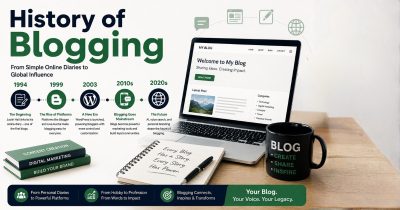
To understand what is blog, it is important to know how blogging started. Blogging began in the late 1990s when people started using online journals to share personal experiences. Initially, blogs were like digital diaries. Over time, businesses realized the power of blogs in attracting customers through search engines. The term “weblog” was introduced in 1997 and later shortened to “blog.” Platforms like Blogger and WordPress made blogging easier for everyone. Today, blogging has evolved into a massive industry. Millions of blogs are published daily across industries such as:
- Technology
- Education
- Health
- Finance
- Travel
- Fashion
- Marketing
- Business
- Food
- Lifestyle
Why Blogging is Important
Key Benefits of Blogs
Understanding what is blog also means understanding its importance. Blogging is important because it helps businesses and individuals grow online visibility. Search engines love fresh and informative content. When you regularly publish blog posts, your website has a better chance of ranking on Google.
1. Improves SEO Rankings
One of the biggest advantages of blogging is that it improves your website’s SEO rankings. Search engines like Google prefer websites that regularly publish fresh, relevant, and informative content. Every blog post gives you a new opportunity to target keywords that your audience is searching for online. When your content is properly optimized with headings, keywords, internal links, and meta descriptions, your chances of ranking higher on Google increase significantly. Consistent blogging also helps search engines crawl your website more frequently, which improves overall visibility.
2. Increases Organic Traffic
A well-written blog can attract thousands of visitors through organic search results. When users search for information related to your niche and find your blog on Google, they visit your website without you spending money on paid advertisements. High-quality blog posts continue generating traffic for months or even years after publication. This makes blogging one of the most cost-effective digital marketing strategies for long-term website growth.
3. Builds Brand Authority
Publishing informative and valuable blog content helps establish your brand as an authority in your industry. When readers consistently find useful answers and insights on your blog, they begin to trust your business. Over time, your audience starts seeing your brand as a reliable source of information. This trust can directly influence purchasing decisions and improve customer loyalty. Businesses that regularly educate their audience through blogging often gain a competitive advantage in the market.
4. Generates Leads
Blogging is a powerful lead generation tool for businesses. A strategically written blog can guide visitors toward taking action, such as filling out a contact form, subscribing to a newsletter, downloading an ebook, or purchasing a product or service. By adding strong call-to-actions within your blog content, you can convert readers into potential customers. Informative blogs also help businesses attract highly targeted audiences who are already interested in their services.
5. Supports Social Media Marketing
Blogs and social media work together to improve online visibility and audience engagement. Every time you publish a new blog post, you create valuable content that can be shared across platforms like Facebook, LinkedIn, Instagram, and Twitter. This helps increase traffic to your website and improves your brand reach. Sharing blogs on social media also encourages audience interaction, comments, and discussions, which further strengthens your online presence.
6. Helps in Customer Education
Blogs are an excellent way to educate customers about your products, services, or industry. Many users search online to solve problems or learn something new before making purchasing decisions. Through detailed blog posts, businesses can answer common customer questions, explain processes, provide tutorials, and offer expert advice. Educating your audience through blogs not only builds trust but also helps customers make informed decisions.
7. Long-Term Marketing Asset
Unlike paid advertising campaigns that stop generating results once the budget ends, blogs continue working for your business over the long term. A single high-quality blog post can keep attracting visitors, generating leads, and improving SEO rankings for years. Evergreen blog content becomes a valuable digital asset that consistently drives traffic and supports your overall marketing strategy. This long-term value makes blogging one of the most sustainable forms of online marketing.
Types of Blogs
When learning what is blog, you should also understand the different types of blogs. Every blog serves a different purpose and targets a specific audience. Some blogs are created for personal expression, while others focus on business growth, education, or earning revenue online. Choosing the right type of blog is important because it helps define your content strategy, audience, and monetization opportunities.
1. Personal Blogs
Personal blogs are created by individuals who want to share their experiences, opinions, stories, hobbies, or daily life activities. These blogs are often written in a conversational tone and help bloggers connect with audiences on a personal level. Many successful influencers and creators started their journey with personal blogging. Topics in personal blogs may include travel experiences, lifestyle, parenting, motivation, or personal development.
2. Business Blogs
Business blogs are designed to help companies attract customers, improve SEO rankings, and build brand authority. These blogs usually focus on industry-related topics, customer problems, product information, and helpful guides. Business blogging is one of the most effective content marketing strategies because it drives organic traffic and generates leads. Companies use blogs to educate customers and establish themselves as experts in their field.
3. Niche Blogs
Niche blogs focus on a specific topic or industry instead of covering multiple subjects. These blogs target a highly specific audience interested in a particular niche such as fitness, technology, finance, fashion, gaming, or digital marketing. Niche blogs are highly effective because they attract targeted visitors who are genuinely interested in the content. Due to focused audiences, niche blogs often perform better in affiliate marketing and monetization.
4. Affiliate Blogs
Affiliate blogs are created mainly to earn money through affiliate marketing. Bloggers recommend products or services and earn commissions whenever users make purchases through affiliate links. These blogs usually include product reviews, comparison articles, buying guides, and recommendations. Affiliate blogging has become one of the most popular online business models because it can generate passive income over time.
5. News Blogs
News blogs publish the latest updates, trends, and current events related to specific industries or general topics. These blogs require frequent updates because readers expect fresh information regularly. News blogging is common in industries such as technology, entertainment, sports, politics, and business. The success of news blogs depends on speed, accuracy, and consistency in publishing.
6. Educational Blogs
Educational blogs focus on teaching readers through tutorials, guides, how-to articles, and informative content. These blogs are popular among students, professionals, and learners who want to gain knowledge in a particular field. Educational blogs help build trust and authority because they provide valuable learning resources. Topics may include coding, marketing, language learning, finance, or career development.
7. Lifestyle Blogs
Lifestyle blogs cover a variety of topics related to everyday living, fashion, wellness, food, productivity, beauty, travel, and relationships. These blogs are highly engaging because they connect with readers emotionally and personally. Lifestyle bloggers often build strong communities through social media and content sharing. Many brands collaborate with lifestyle bloggers for influencer marketing campaigns.
Difference Between Website and Blog
Many people confuse websites and blogs. To understand what is blog properly, you should know the difference.
| Website | Blog |
|---|---|
| Static content | Frequently updated content |
| Focus on products/services | Focus on information |
| Limited interaction | High engagement |
| Fewer SEO opportunities | Better SEO growth |
| Less frequent updates | Regular publishing |
Benefits of Blogging for Businesses
Blogging is one of the most effective and long-term digital marketing strategies for businesses in today’s online world. A well-maintained blog helps companies improve their online visibility, attract targeted audiences, and build strong relationships with potential customers. Every time a business publishes a new blog post, it creates another opportunity to appear in Google search results and attract organic traffic. Businesses that regularly publish high-quality and informative content are more likely to gain customer trust and establish themselves as industry experts.
Higher Search Engine Visibility
One of the biggest benefits of blogging for businesses is improved search engine visibility. Every blog post adds a new indexed page to your website, which increases the chances of ranking for multiple keywords on Google. Search engines prefer websites that consistently publish fresh, relevant, and informative content. By targeting industry-related keywords through blogs, businesses can improve their SEO performance and attract users who are actively searching for their services online.
Better Customer Engagement
Blogs help businesses stay connected with their audience by providing useful and engaging information. Customers often search for answers, solutions, and expert advice before making purchasing decisions. Through blogs, businesses can educate users, solve their problems, and answer common questions. This creates trust and encourages visitors to spend more time on the website, improving overall engagement and brand loyalty.
More Leads and Sales
High-quality blogs can generate leads and increase sales by guiding readers toward taking action. Informative and educational content builds trust among users, making them more likely to contact the business or purchase products and services. Businesses can also add strong call-to-actions within blogs, such as contact forms, service pages, or consultation offers, to convert website visitors into customers.
Cost-Effective Marketing
Compared to traditional advertising methods and paid campaigns, blogging is a highly cost-effective marketing strategy. While paid advertisements stop generating results once the budget ends, blogs continue attracting traffic for months or even years. A single evergreen blog post can consistently drive visitors and leads over time, making blogging one of the best long-term investments for businesses.
Supports Email Marketing
Blogs are also useful for growing email marketing campaigns. Businesses can encourage blog readers to subscribe to newsletters or download valuable resources in exchange for their email addresses. This helps companies build email subscriber lists and nurture potential customers through regular communication and promotional campaigns.
Builds Long-Term Traffic
Evergreen blog content continues attracting users long after it is published. Unlike social media posts that quickly disappear from feeds, blogs remain searchable on Google and can generate traffic continuously. Businesses that consistently publish SEO-friendly blogs build a strong online presence and create a sustainable source of long-term website traffic.
Benefits of Blogging for Individuals
Blogging is not only beneficial for businesses but also for individuals who want to build their online presence, share knowledge, or earn money online. Whether someone is a student, freelancer, entrepreneur, or professional, blogging offers multiple personal and professional growth opportunities.
Personal Branding
One of the biggest advantages of blogging for individuals is personal branding. By regularly publishing informative and valuable content, individuals can establish themselves as experts in their field. Blogging allows people to showcase their knowledge, skills, and experiences to a wider audience. Over time, this helps build credibility, authority, and a strong personal identity online.
Freelancing Opportunities
Many freelancers use blogs to attract clients and showcase their expertise. A professional blog acts like a portfolio where potential clients can see writing quality, industry knowledge, and problem-solving skills. Bloggers often receive opportunities for freelance writing, SEO services, web development, consulting, and digital marketing through their content.
Passive Income
Blogging can become a source of passive income through methods like Google AdSense, affiliate marketing, sponsored posts, and selling digital products. Once a blog starts receiving consistent traffic, it can continue generating revenue with minimal ongoing investment. Many successful bloggers earn full-time income by monetizing their blogs strategically.
Skill Development
Blogging helps individuals improve several valuable skills such as content writing, SEO, communication, research, and digital marketing. Bloggers also learn website management, analytics, social media promotion, and audience engagement techniques. These skills are highly beneficial for career growth and business opportunities in the digital world.
How to Start a Blog
If you now understand what is blog, the next step is learning how to create a successful blog. Starting a blog may seem difficult in the beginning, but with the right strategy and tools, anyone can create a professional blog. Whether you want to build a personal brand, grow your business, or earn money online, blogging can help you achieve your goals. Below are the essential steps to start a blog successfully.
Step 1: Choose Your Niche
The first step in blogging is choosing the right niche. A niche is the specific topic or category your blog will focus on. It is important to select a niche that you enjoy, understand, and can consistently create content about. Choosing the right niche helps you attract a targeted audience and build authority in a particular industry.
Popular blogging niches include:
- Digital Marketing
- Health and Fitness
- Technology
- Finance
- Education
- Travel
- Fashion
- Food
- Lifestyle
When selecting a niche, try to choose a topic that has both audience demand and monetization opportunities. A focused niche also makes it easier to rank on search engines and build loyal readers.
Step 2: Buy a Domain Name
A domain name is your blog’s online identity. It is the address users type into their browser to visit your website. Choosing a short, memorable, and professional domain name is very important for branding and credibility. For example: grobit.com Your domain name should be easy to spell, easy to remember, and related to your niche or business. Avoid using long or complicated names because they can confuse users. A professional domain name helps create trust and makes your blog appear more authentic.
Step 3: Purchase Hosting
Web hosting is a service that stores your website files and makes your blog accessible online. Choosing reliable hosting is essential because website speed, security, and uptime directly affect user experience and SEO performance. A good hosting provider offers:
- Fast website speed
- Strong security
- Regular backups
- Good customer support
- High uptime performance
Slow-loading websites can negatively impact Google rankings and user experience. Therefore, investing in quality hosting is important for long-term blogging success.
Step 4: Install WordPress
WordPress is the world’s most popular blogging platform and powers millions of websites globally. It is beginner-friendly, highly customizable, and SEO-friendly, making it the best choice for bloggers and businesses.
With WordPress, you can:
- Create blog posts easily
- Install themes and plugins
- Optimize your website for SEO
- Manage content without coding knowledge
Most hosting providers offer one-click WordPress installation, making the setup process quick and simple even for beginners.
Step 5: Select a Theme
A theme controls the design and appearance of your blog. Choosing a responsive and SEO-friendly theme is important because it improves user experience and website performance. A good blogging theme should have:
- Mobile responsiveness
- Fast loading speed
- Clean design
- SEO optimization
- Easy navigation
A professional-looking blog creates a positive impression on visitors and encourages them to spend more time on your website.
Step 6: Create Important Pages
Before publishing blog posts, you should create essential pages for your website. These pages help visitors understand your business and improve website credibility.
Important pages include:
- Home Page
- About Us
- Services
- Blog
- Contact Us
- Privacy Policy
These pages also help improve SEO and user experience by making your website more organized and trustworthy.
Step 7: Publish High-Quality Content
Content is the most important part of blogging. To succeed in blogging, you must regularly publish high-quality, informative, and SEO-friendly content that provides value to readers.
Good blog content should:
- Solve user problems
- Be easy to read
- Include proper headings
- Use focus keywords naturally
- Contain internal and external links
- Include images and visuals
Consistency is extremely important in blogging. Websites that publish content regularly have better chances of growing traffic and ranking on Google.
Step 8: Promote Your Blog
Publishing content alone is not enough. You must actively promote your blog to reach a larger audience. Blog promotion helps increase traffic, improve engagement, and grow brand awareness.
You can promote your blog through:
- Email Marketing
- WhatsApp Communities
Sharing blogs on social media platforms helps attract visitors and encourages users to engage with your content. Consistent promotion plays a major role in growing a successful blog.
Best Blogging Platforms
Choosing the right blogging platform is important because it affects your website’s flexibility, SEO performance, and ease of use. Different platforms offer different features depending on your blogging goals.
WordPress
WordPress is the most popular blogging platform in the world and is considered the best option for professional blogging and SEO. It offers complete customization, thousands of plugins, and advanced SEO features. WordPress is suitable for beginners as well as advanced users who want full control over their websites.
Blogger
Blogger is a simple and beginner-friendly platform owned by Google. It is easy to set up and ideal for users who want to start blogging quickly without technical knowledge. However, Blogger offers limited customization compared to WordPress.
Wix
Wix is a drag-and-drop website builder that allows users to create websites and blogs easily. It is popular among beginners because of its user-friendly interface and ready-made templates. Wix is suitable for small businesses and personal blogs.
Medium
Medium is a content publishing platform mainly used by writers, professionals, and thought leaders. It focuses more on writing and audience engagement rather than website customization. Medium is ideal for users who want to share ideas and gain visibility without managing a website.
Ghost
Ghost is a modern blogging platform designed specifically for content creators and publishers. It offers clean design, fast performance, and a distraction-free writing experience. Ghost is popular among professional bloggers who prioritize content publishing and simplicity.
Consclusition
Now you clearly understand what is blog and why blogging has become such an important part of digital marketing in today’s online world. A blog is not just a platform for writing articles; it is a powerful tool that helps businesses and individuals build authority, improve SEO rankings, attract website traffic, educate audiences, and generate leads or revenue online. Whether you are a business owner, freelancer, student, or entrepreneur, blogging can help you establish a strong online presence and connect with your target audience effectively. By consistently publishing high-quality and SEO-friendly content, you can increase your visibility on search engines like Google and create long-term growth opportunities for your brand or business.
Frequently Asked Questions (FAQs)
What is Blog in simple words?
A blog is a website or webpage where content is published regularly.
Why is blogging important?
Blogging improves SEO, traffic, and brand authority.
Is blogging profitable in 2026?
Yes, blogging remains profitable through ads, affiliate marketing, and services.
Which platform is best for blogging?
WordPress is considered the best blogging platform.
How often should I publish blogs?
Publishing 1–2 quality blogs weekly is recommended.
Can blogs improve SEO?
Yes, blogs help websites rank higher on search engines.
What is Blog SEO?
Blog SEO means optimizing blog content for search rankings.
Can Grobit help with blogging?
Yes, Grobit provides professional blogging and SEO services.